Recognize the problem
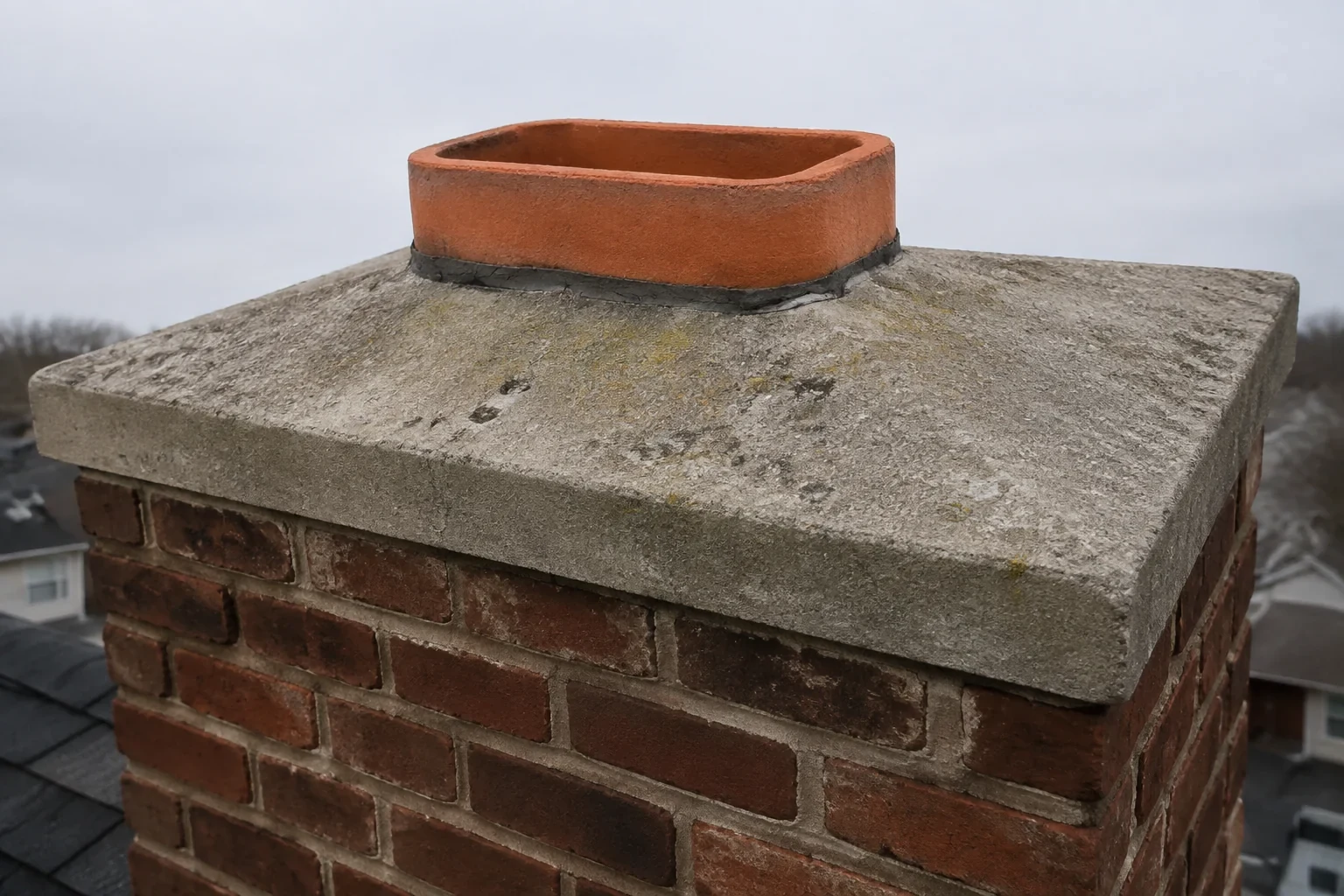
The crown is cracked, spalled, or holding water around the flue opening.
Clarify what is included
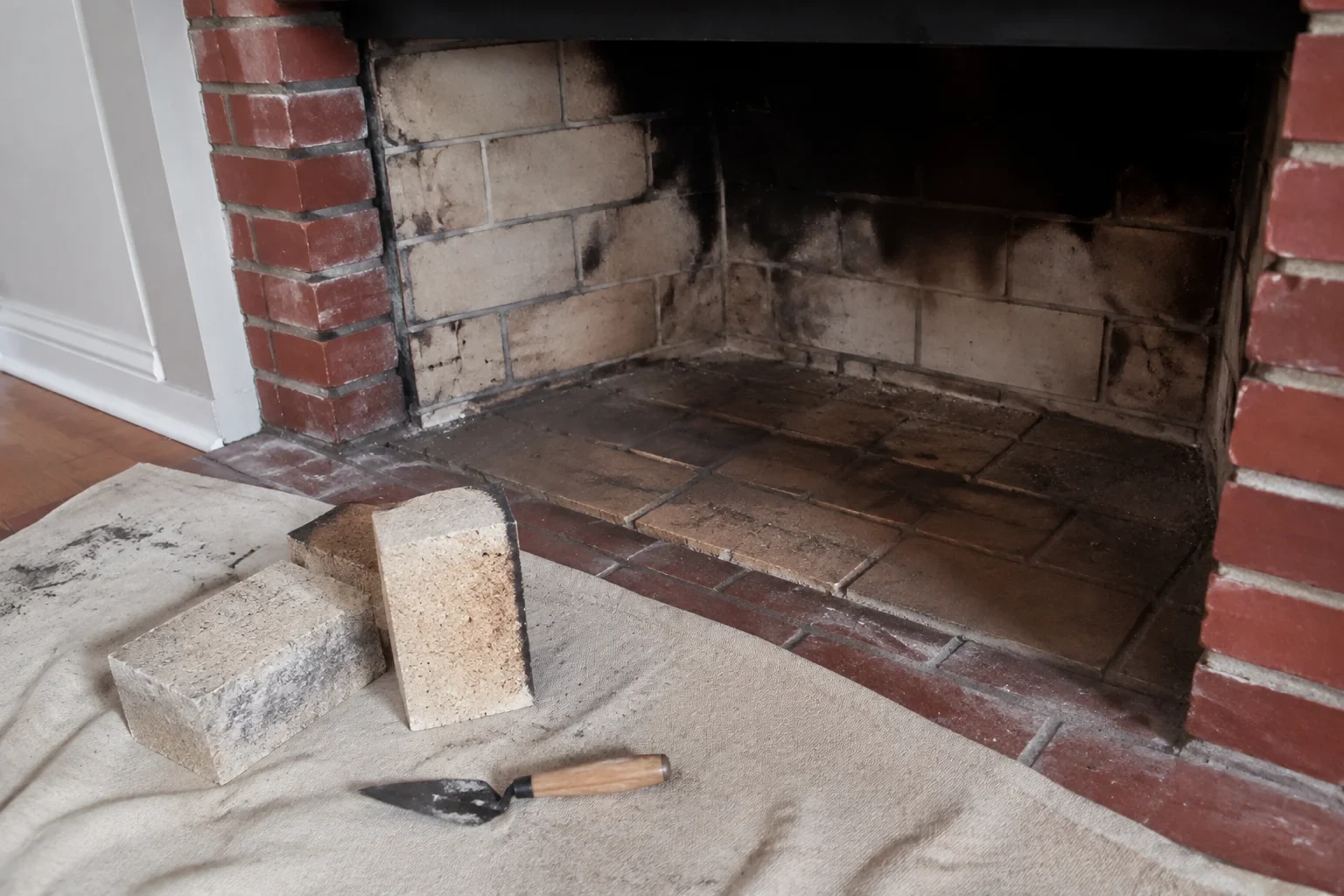
Discuss repair mortar, bonding material, weatherproofing material. Separate proposed replacement parts from materials, equipment used during the visit and any report you will receive. Confirm compatibility for proposed parts.
The proposed work
Identify the visible crown concern and ask what findings support repair or rebuilding. Request a description of the affected area, proposed materials and water-shedding details, with other potential water-entry repairs listed separately.
The equipment file
See the components. Ask better questions.
KNOW WHAT YOU ARE AGREEING TO
Before you approve the work.
Repair boundaries +
Identify the crown area and whether patching, resurfacing or rebuilding is proposed.
Related water-entry work +
Separate the crown work from flashing, masonry or other repairs and ask what evidence supports each scope.
Completion record +
Ask for the completed scope, findings and any unresolved limitations to be recorded at handover.
What else should you ask?
What does chimney crown repair involve?
Identify the visible crown concern and ask what findings support repair or rebuilding. Request a description of the affected area, proposed materials and water-shedding details, with other potential water-entry repairs listed separately.
What should the proposal say about parts, materials and equipment?
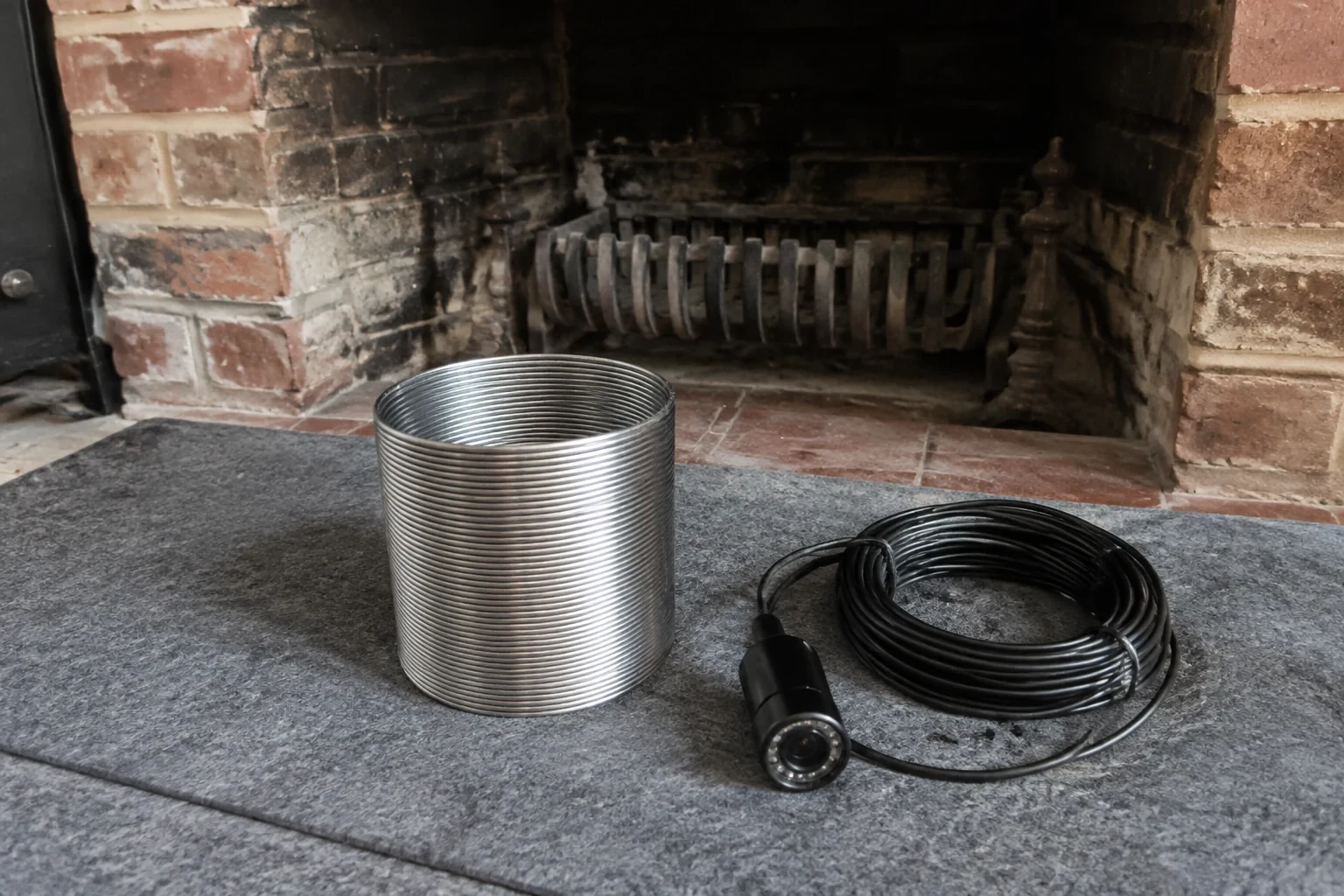
Discuss repair mortar, bonding material, weatherproofing material. Ask the provider to distinguish existing parts to inspect, proposed replacements, and tools, materials or reports included in the service. Request a reason for any replacement and confirm compatibility with your equipment. A list of possible items does not mean that every item must be supplied or replaced.
How is an inspection different from chimney sweeping?
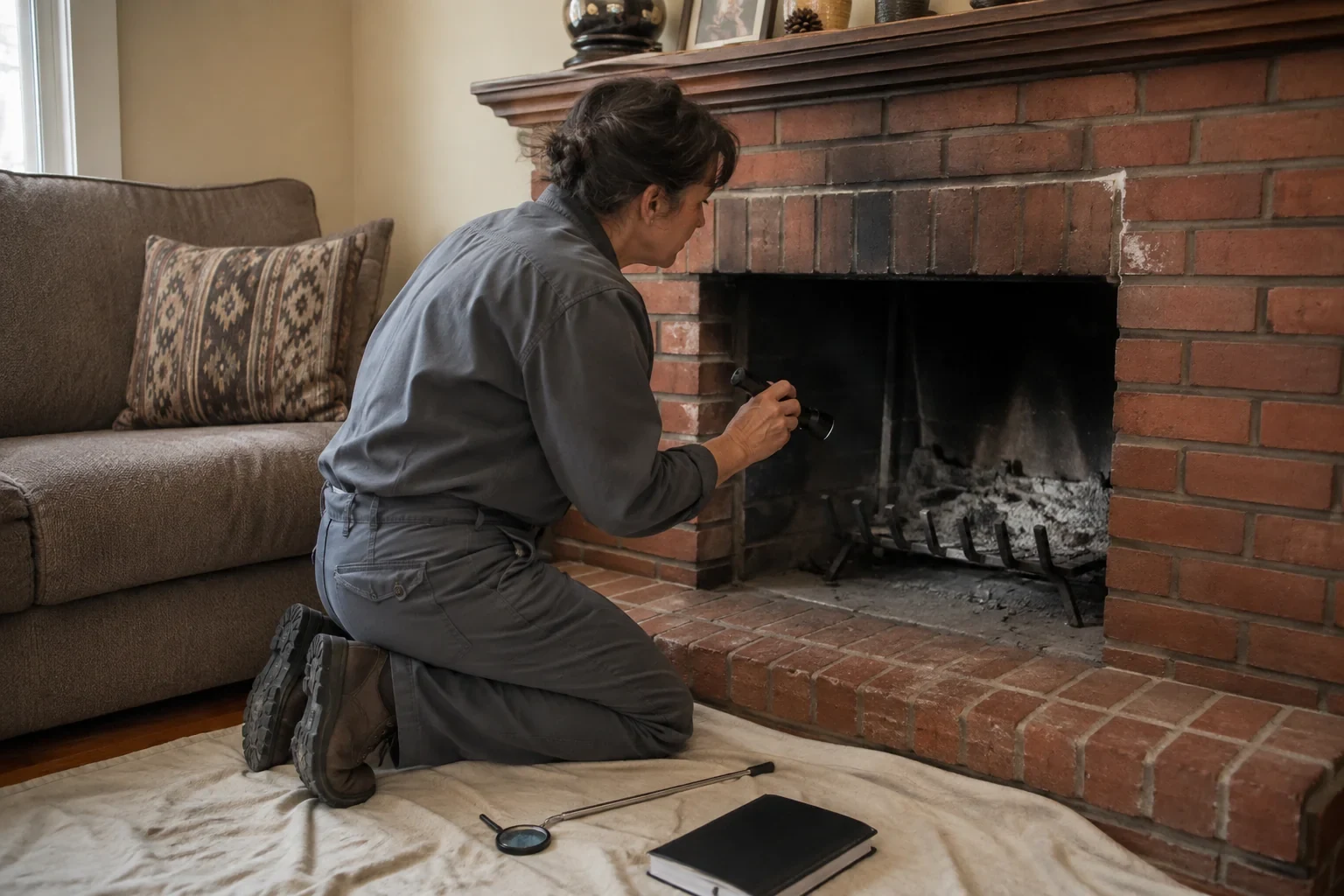
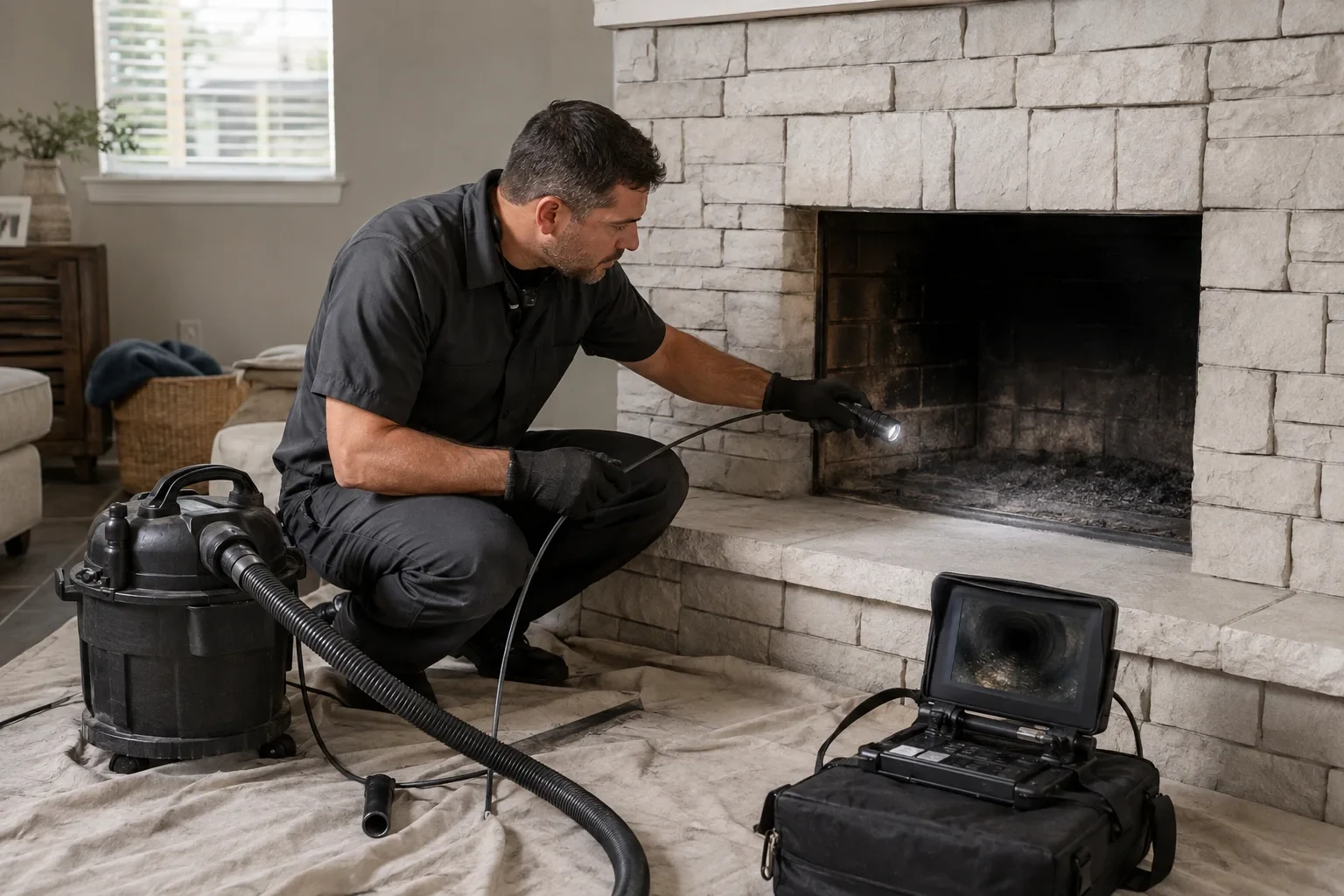
An inspection assesses accessible components and documents findings; sweeping removes deposits within the agreed scope. One does not automatically replace the other. Ask which inspection is proposed, what can be accessed, whether cleaning is included and what written findings you will receive.
What information helps plan a chimney visit?
Describe the fireplace or appliance, its fuel type, recent use and any changes you have noticed. Mention previous repairs, water entry or a planned appliance change. Gather available service records and explain access restrictions. These details help define the visit without assuming what the chimney needs.
Can a chimney cap solve a water-entry problem?
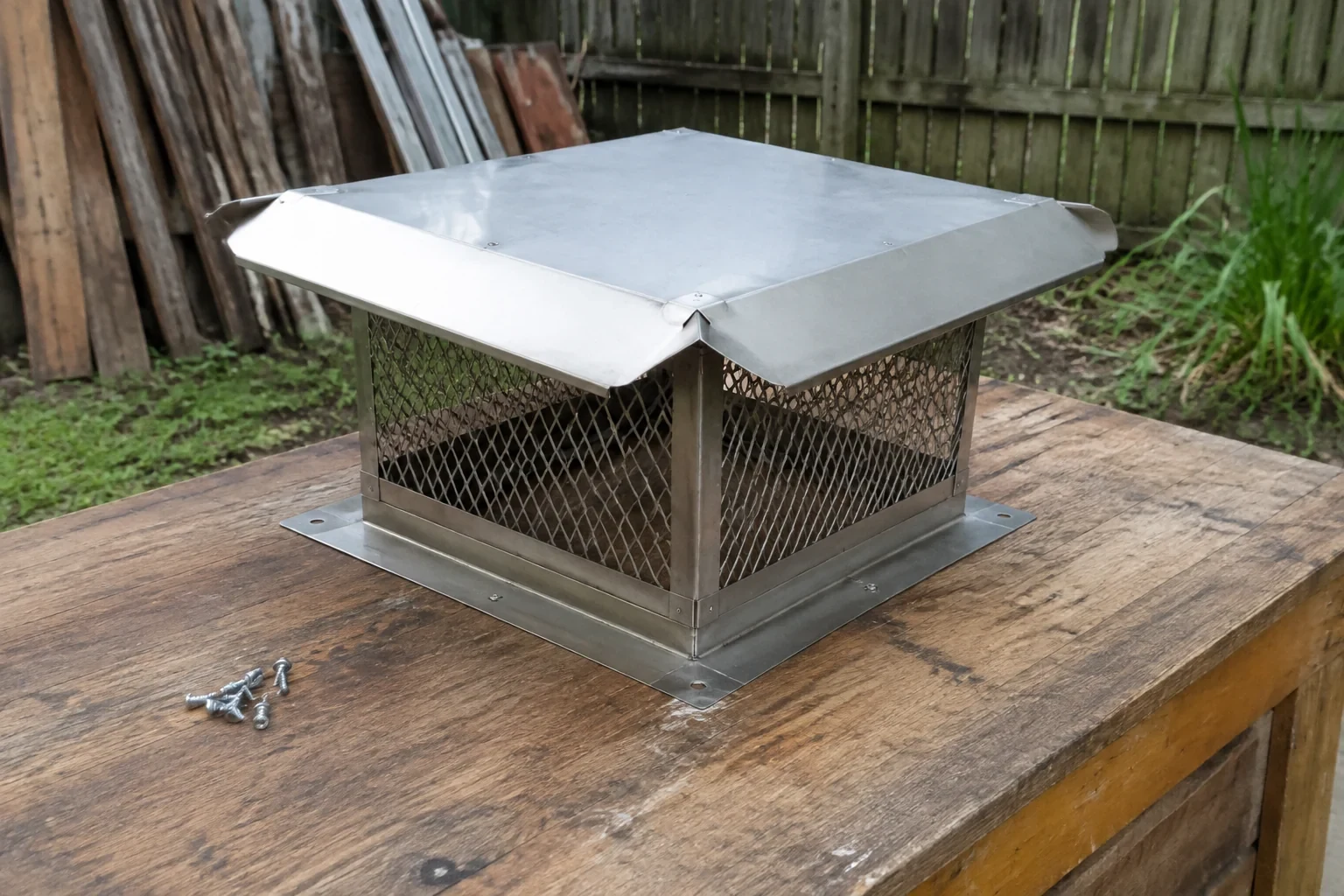
A cap is one possible part of the assessment. Water may also enter around flashing, masonry joints or the crown. Ask what evidence supports the proposed repair and which area it addresses. A clear scope distinguishes a cap replacement from work elsewhere on the chimney.
What should an inspection report explain?
Ask for the areas examined, access limitations, photographs of relevant findings and the recommended next steps. The report should distinguish observed conditions from areas that were not visible. Use those findings to discuss repair options rather than treating a general service description as a diagnosis of your property.
How should I compare masonry repair proposals?
Compare the exact area and type of work: mortar joints, crown, flashing, liner or other components are different scopes. Ask about preparation, materials, access equipment and cleanup. If a proposal changes after inspection, request the reason and revised scope before agreeing.
Why is the crown assessed during a chimney leak investigation?
CSIA identifies damaged crowns among chimney water-entry concerns. Request the observed defect and explain where water has been noticed indoors.
How do I compare crown repair with crown rebuilding?
Request the retained and replaced areas, materials and preparation for each option. The words repair and rebuild alone do not define comparable work.
Does crown work include replacing the cap or repairing flashing?
Ask for each component to be named separately in the proposal, including any area inspected but excluded from repair.