Medley / Chimney & Fireplace
Name the component.
Document the condition.
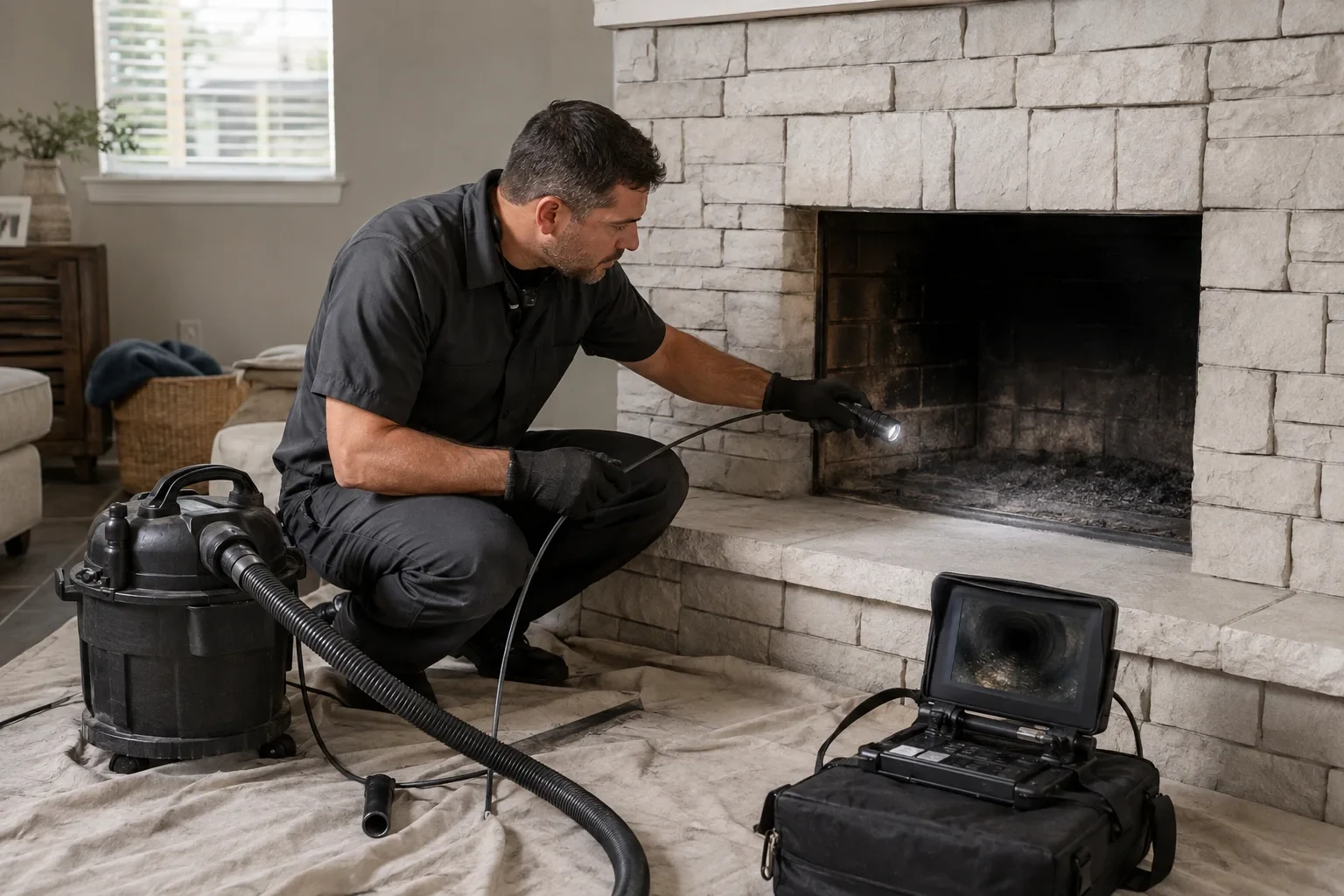
Liner inspection, flue-tile repairs and relining describe different work. Ask which part of the system was examined and what evidence supports the recommendation.
Clearer on the work.
THE WORK, UP CLOSE
Every service has a story. Start with yours.
Inspection & Cleaning
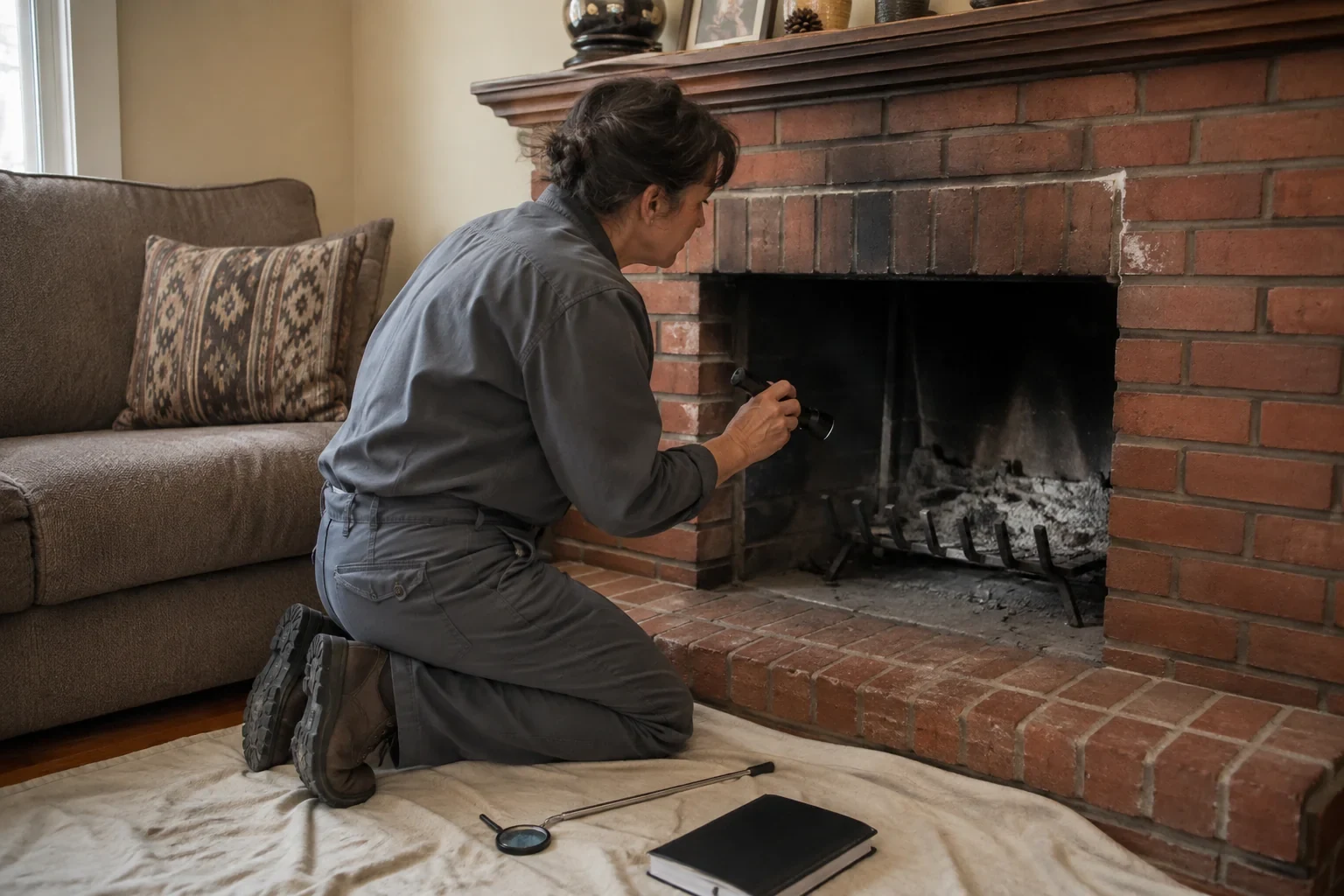
Level 1 Chimney Inspection
You need a routine visual inspection before use or maintenance.
Explore the work ↗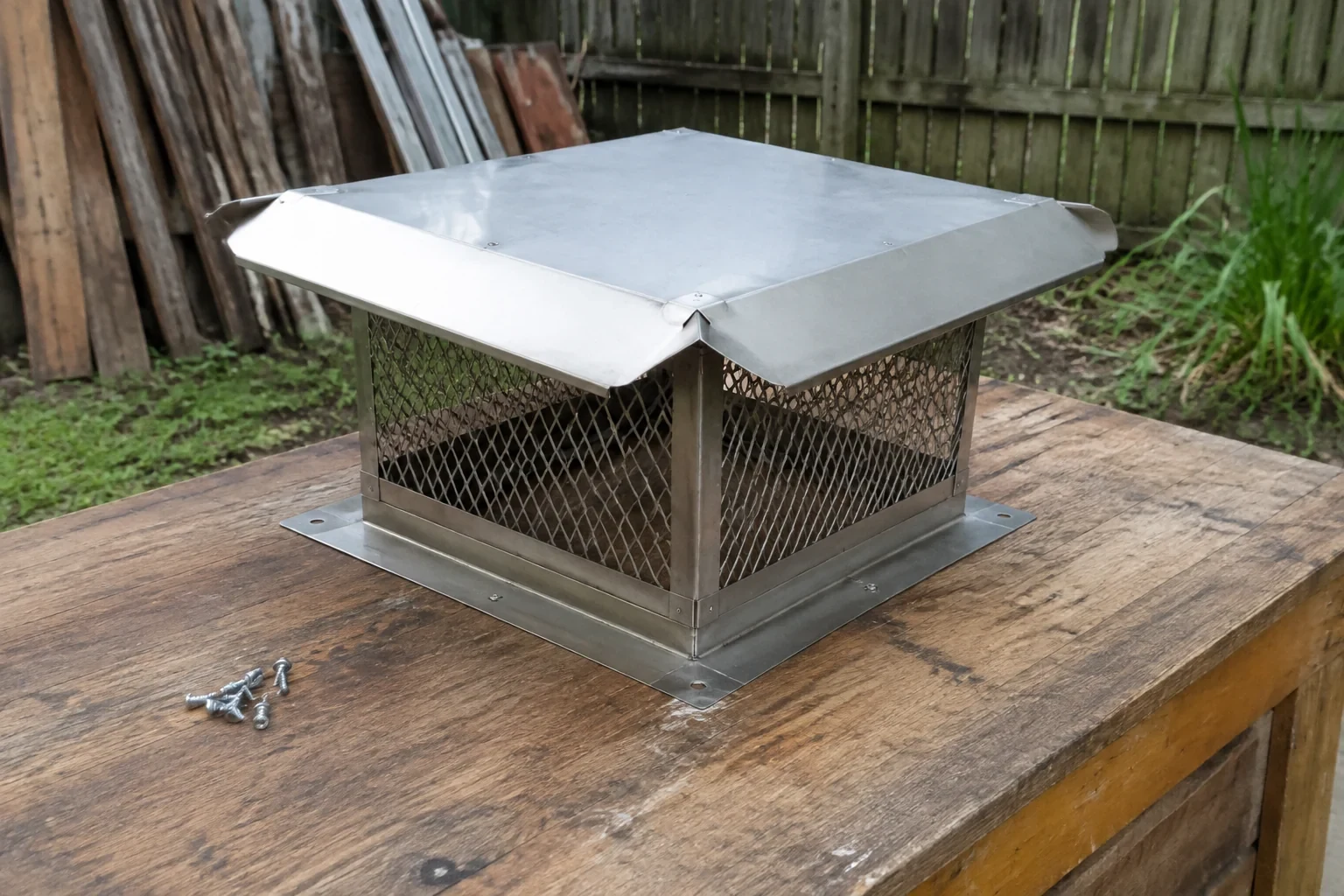
Chimney Repair & Weatherproofing
Chimney Cap Installation & Replacement
A cap is missing, damaged, loose, or no longer keeps rain and wildlife out.
Explore the work ↗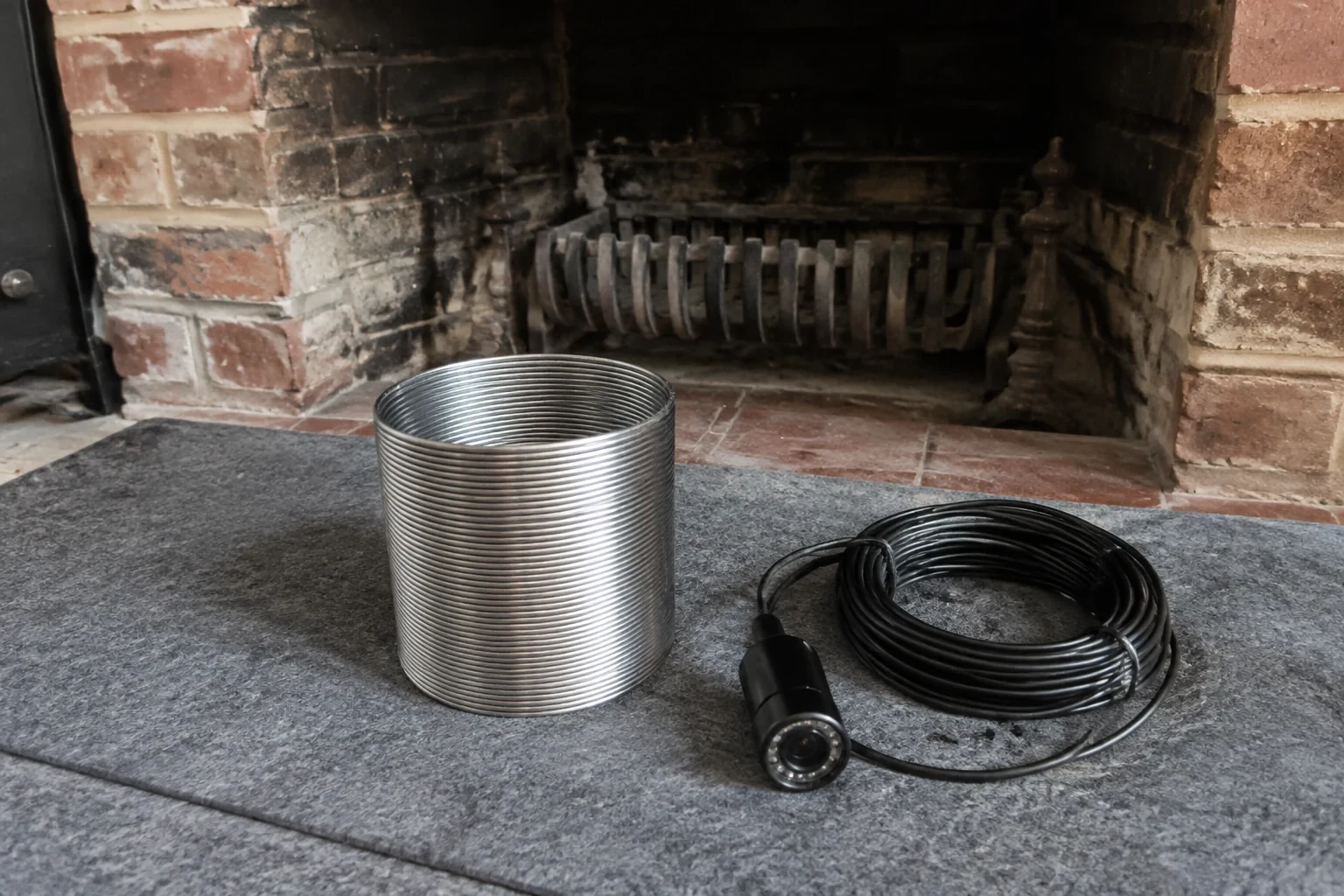
Venting & Safety
Chimney Liner Inspection
An inspection needs to confirm the visible condition and continuity of a flue liner.
Explore the work ↗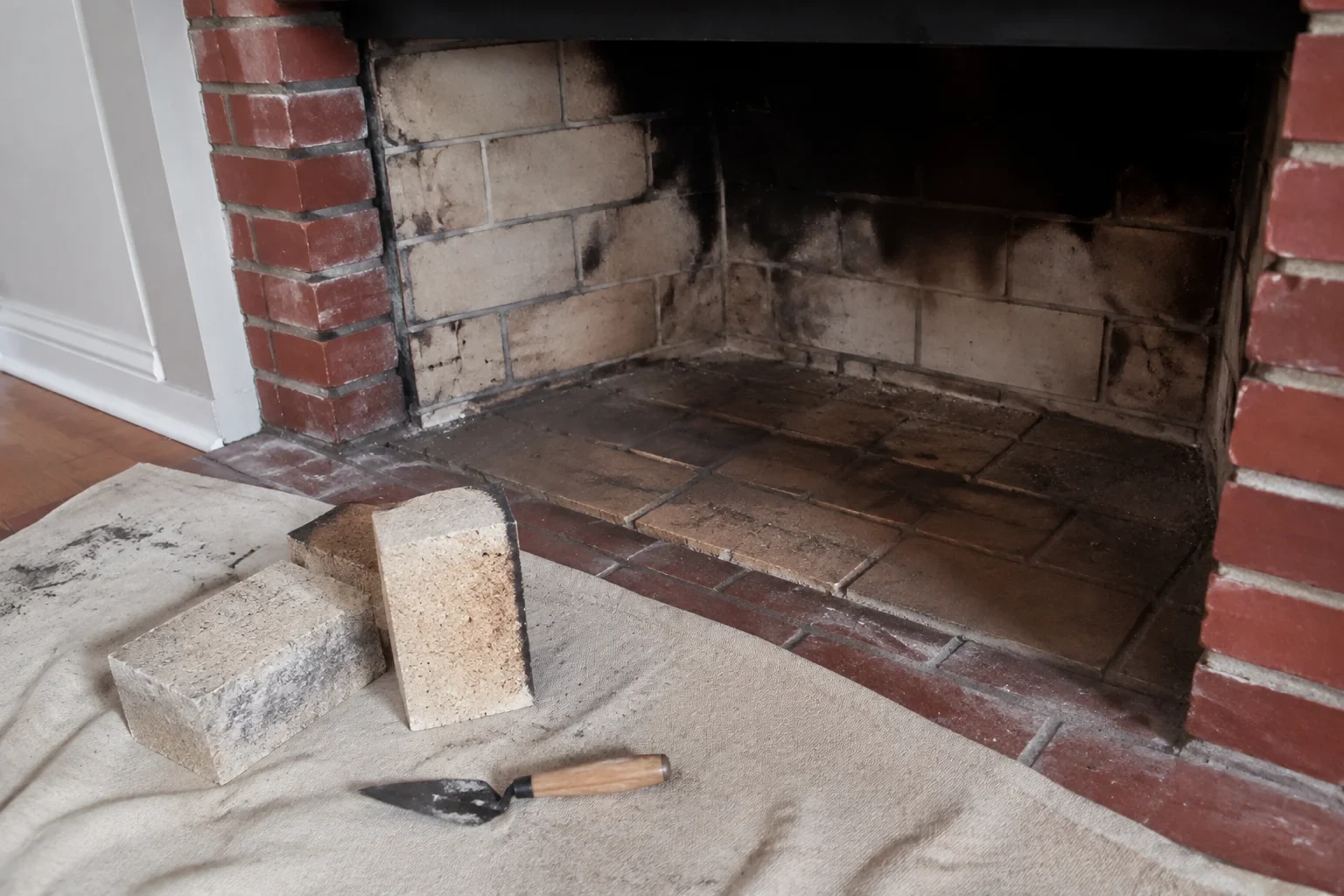
Fireplace, Insert & Stove Work
Firebox Repair
Brick, mortar, or interior firebox surfaces are cracked, loose, or visibly deteriorating.
Explore the work ↗AN ORIGINAL MOTION STUDY
See what moves. Know what to ask.
Plan around the fireplace’s condition and history. Maintenance, a smoke concern and water entry require different assessments, even when they involve the same chimney.
Explore the service guides ↗The equipment file
See the components. Ask better questions.
EXPLORE THE SERVICE CATALOG
The details make the difference.
Inspection & Cleaning
Level 1 Chimney Inspection
You need a routine visual inspection before use or maintenance.
Explore the service →Chimney Repair & Weatherproofing
Chimney Cap Installation & Replacement
A cap is missing, damaged, loose, or no longer keeps rain and wildlife out.
Explore the service →Venting & Safety
Chimney Liner Inspection
An inspection needs to confirm the visible condition and continuity of a flue liner.
Explore the service →Fireplace, Insert & Stove Work
Firebox Repair
Brick, mortar, or interior firebox surfaces are cracked, loose, or visibly deteriorating.
Explore the service →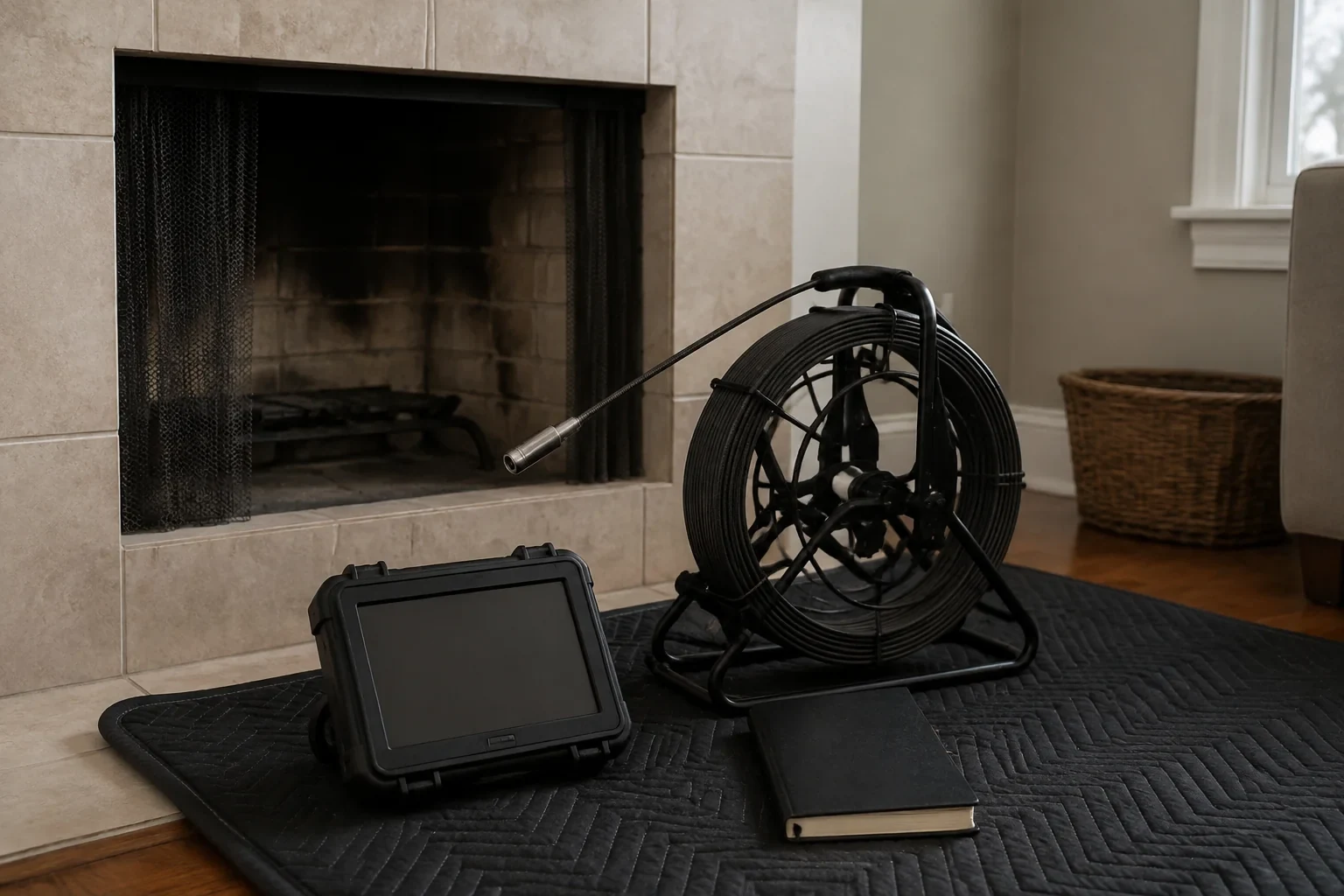
Inspection & Cleaning
Level 2 Chimney Inspection
A sale, damage event, equipment change, or operating concern needs a detailed review.
Explore the service →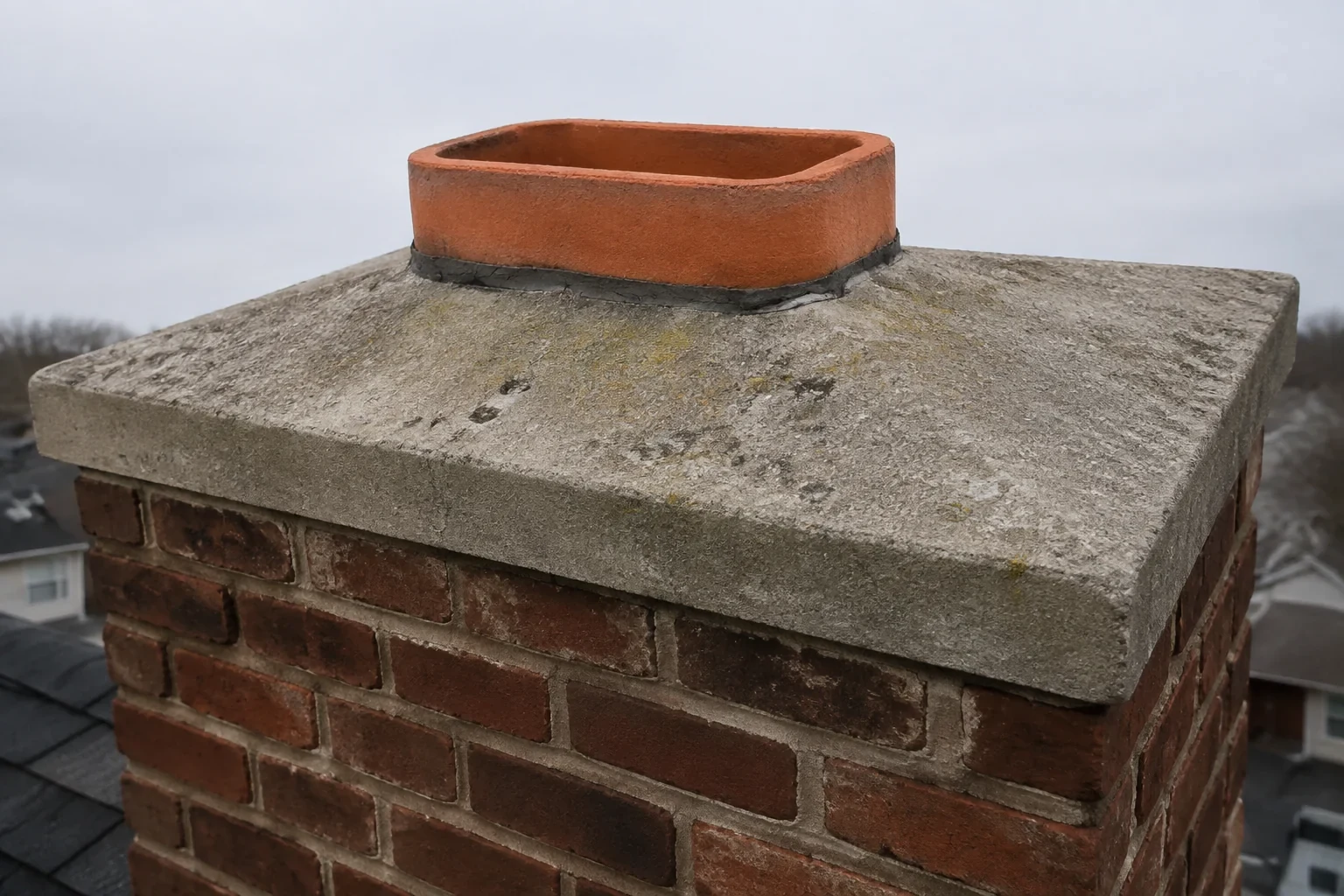
Chimney Repair & Weatherproofing
Chimney Crown Repair
The crown is cracked, spalled, or holding water around the flue opening.
Explore the service →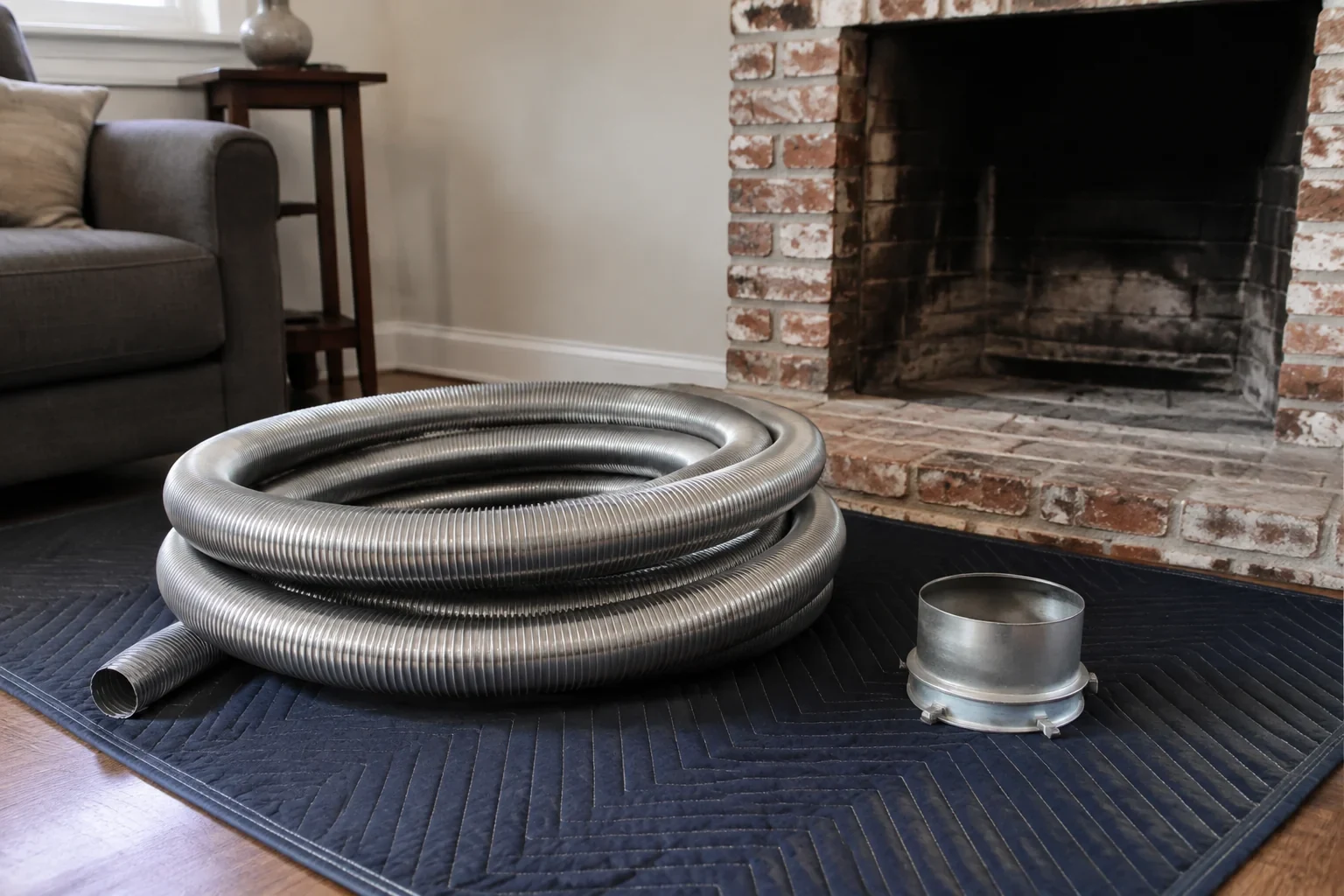
Venting & Safety
Chimney Relining
A liner is damaged, unsuitable, or requires replacement after a documented inspection.
Explore the service →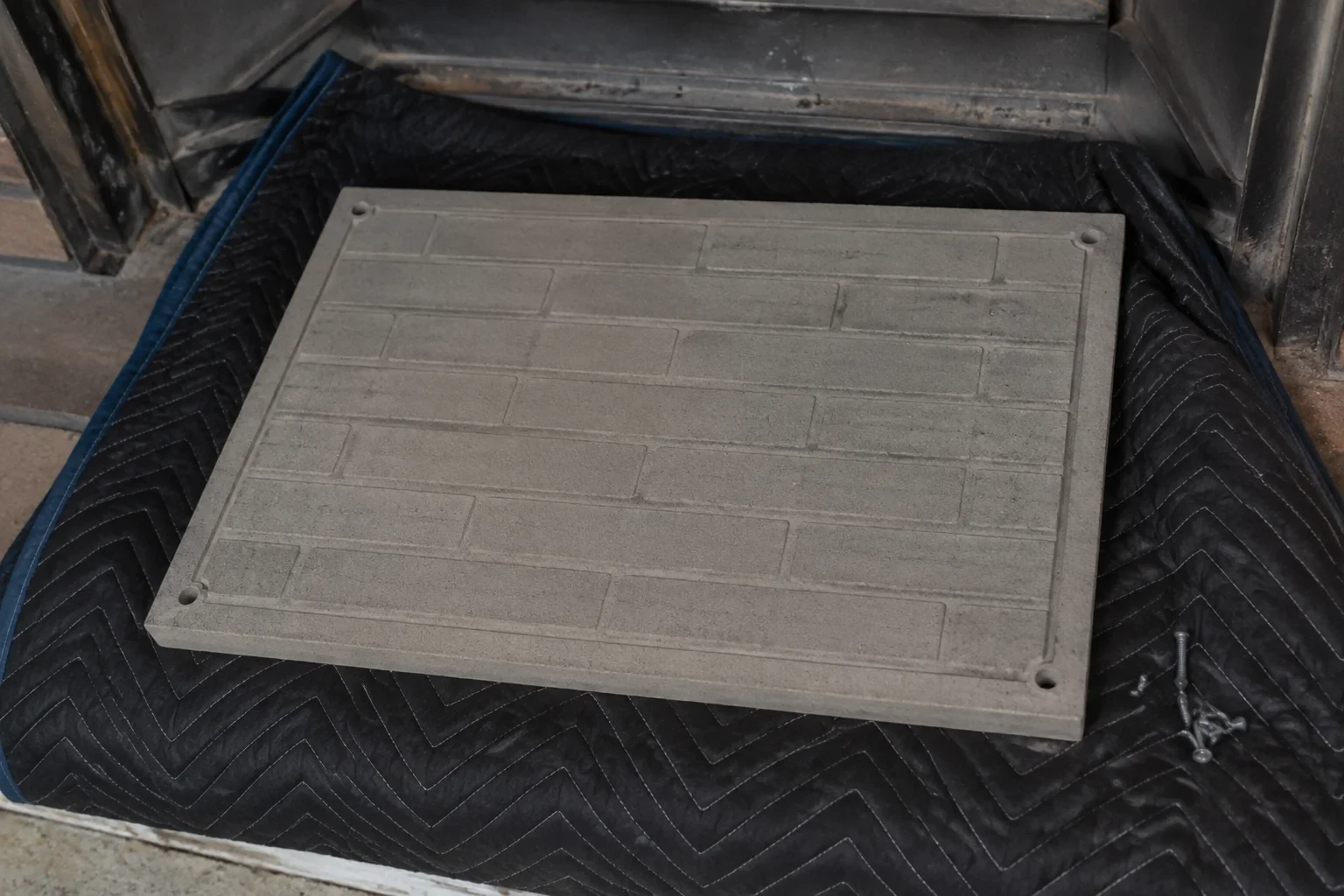
Fireplace, Insert & Stove Work
Fireplace Refractory Panel Repair
A factory-built fireplace has a cracked or damaged refractory panel.
Explore the service →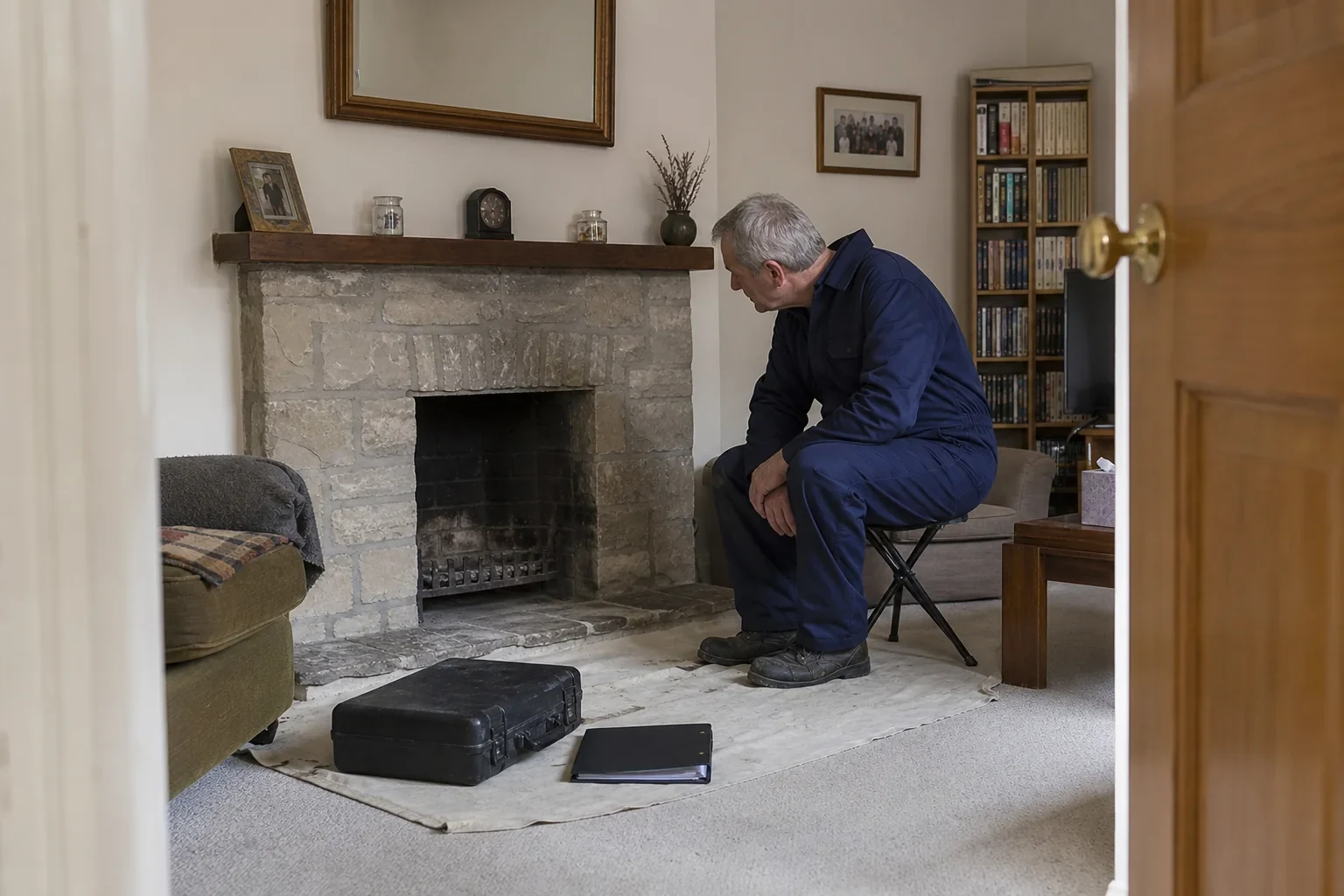
Inspection & Cleaning
Level 3 Chimney Inspection
A suspected concealed defect needs investigation beyond accessible surfaces.
Explore the service →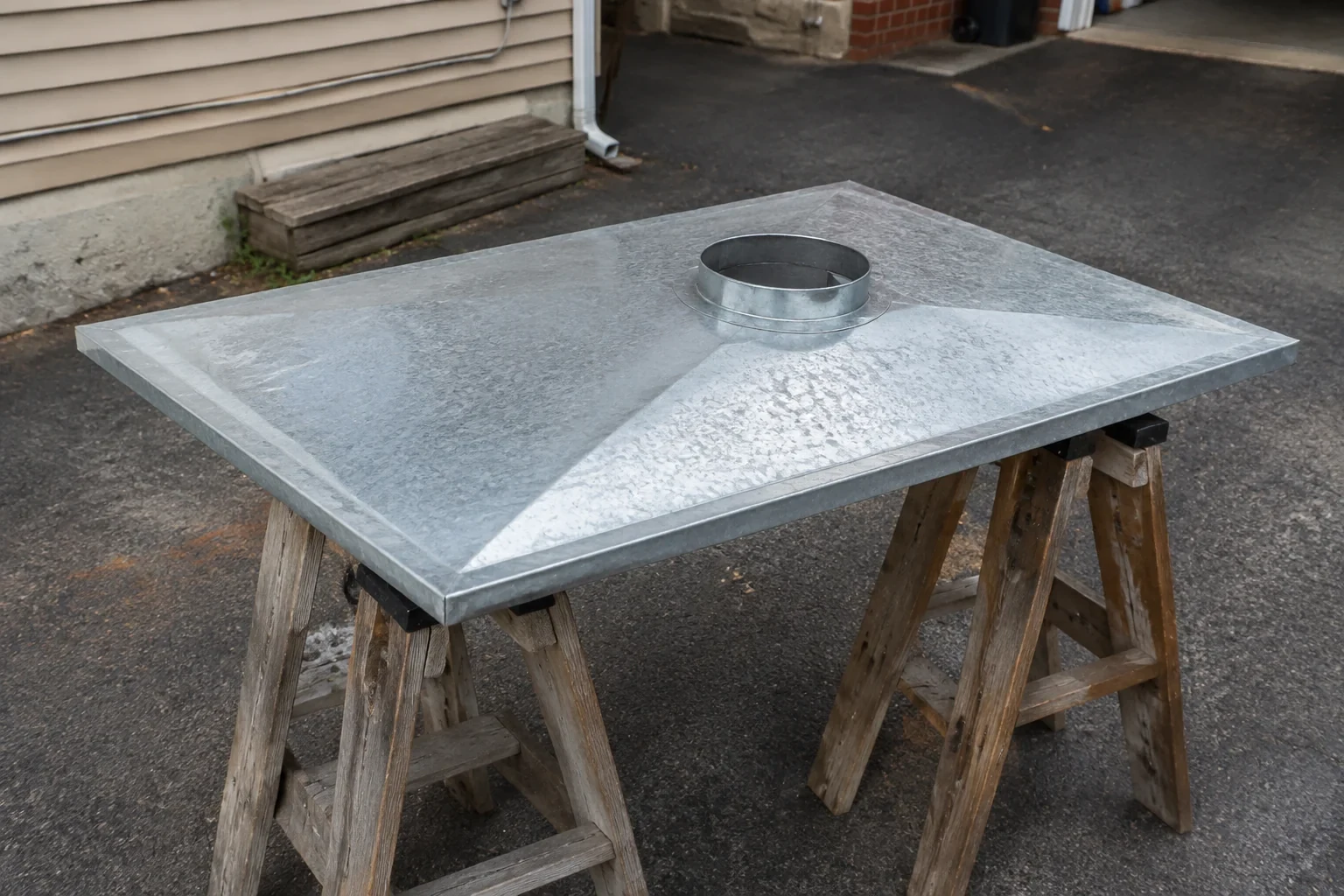
Chimney Repair & Weatherproofing
Chimney Chase Cover Replacement
A metal chase cover is rusting, leaking, or separating around a factory-built chimney.
Explore the service →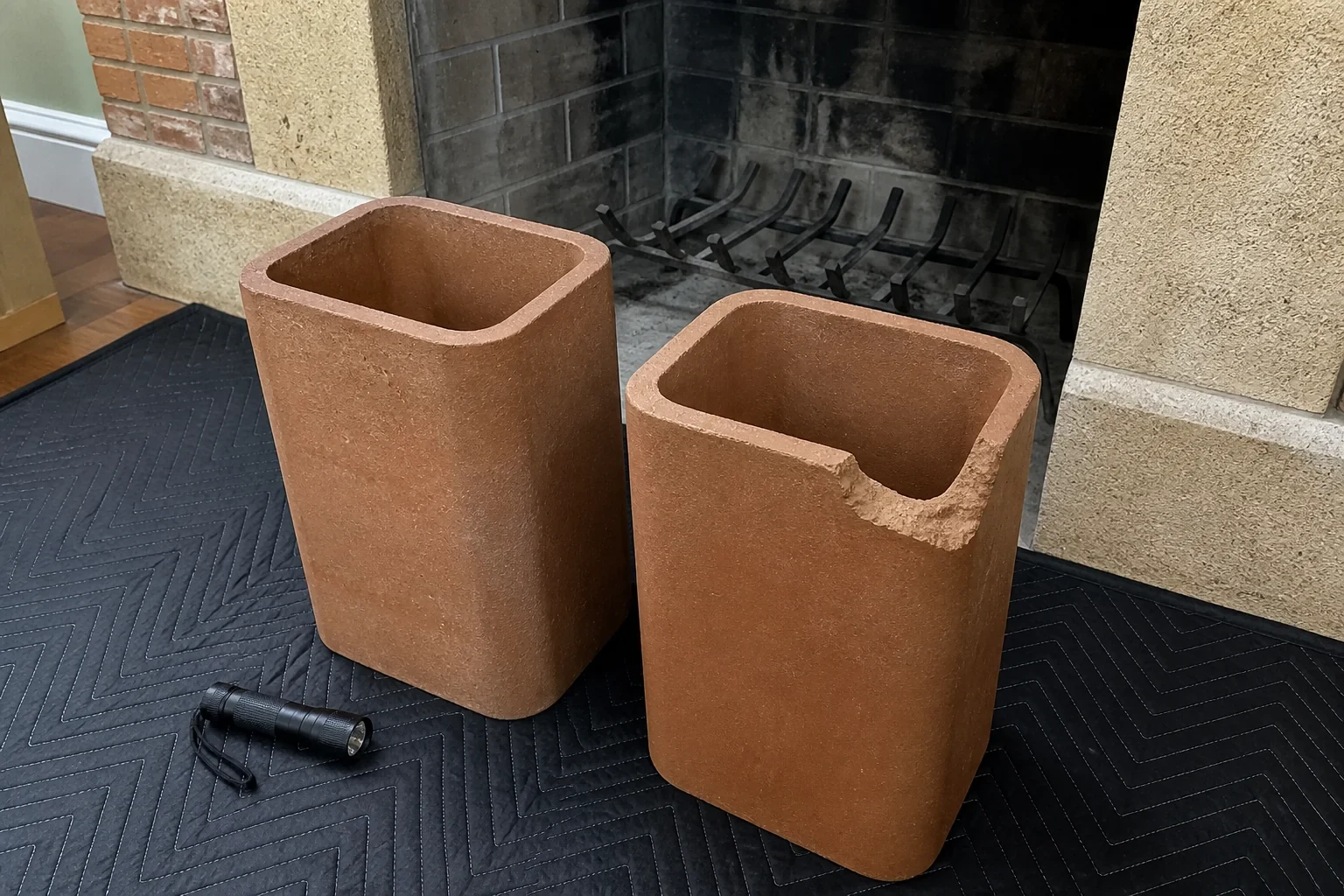
Venting & Safety
Flue Tile Repair
A clay flue tile is cracked, displaced, or damaged according to an inspection.
Explore the service →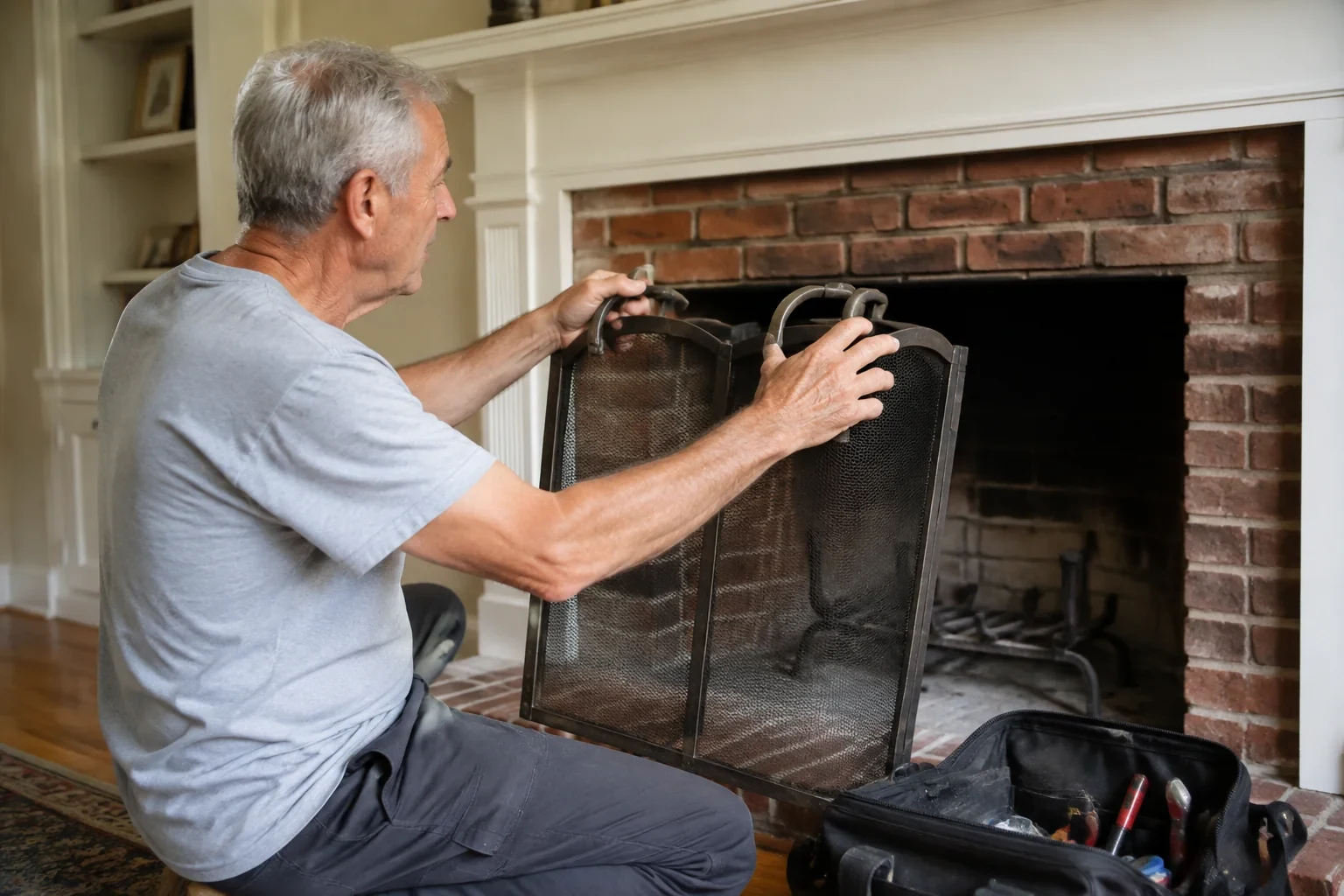
Fireplace, Insert & Stove Work
Wood Fireplace Repair
A masonry wood fireplace has a documented operating or condition problem that needs repair.
Explore the service →TAKE A CLOSER LOOK
The equipment behind the everyday.
Illustrative service photography; not a portfolio of completed customer jobs.
EXPLORE THE AREA
Medley
Loads Google Maps when selected.
Place reference only. Confirm service availability for your exact address.
START WITH YOUR ADDRESS
Medley. Your property. Your questions.
Planning your work
Miami-Dade County's permit guidance states that any owner, authorised agent or contractor who wants to construct, enlarge, alter, repair, move or demolish a building or structure, or to install, alter, repair, remove, convert or replace any electrical, gas, mechanical or plumbing system regulated by the technical codes, must first submit an application and obtain the required permit for the work. The county adds that its own process is solely for properties with folios that start with 30, meaning unincorporated Miami-Dade County, and that each municipality has its own building official who issues permits within that city limits. Inspection and sweeping are not construction, but rebuilding, relining, liner or damper replacement, firebox work and appliance installation can be. Confirm the address and the proposed scope with your own city, because Miami-Dade County states that each municipality has its own building official who issues permits within that city limits.
Read the local reference ↗Local context
Florida law requires that every separate building, or addition to an existing building, constructed on or after 1 July 2008 that has a fossil-fuel-burning heater or appliance, a fireplace, an attached garage or another feature that emits carbon monoxide as a byproduct of combustion have an approved operational carbon monoxide alarm installed within 10 feet of each room used for sleeping purposes, or at other locations required by the Florida Building Code. The statute states that this does not apply to existing buildings undergoing alterations or repairs unless the alteration is an addition. Raise carbon monoxide alarm placement when fuel-burning appliance or flue work is being discussed, and confirm the current text of the statute and what applies to your building.
Read the local reference ↗BEFORE YOU AGREE
Look for clear answers.
How is an inspection different from chimney sweeping?
An inspection assesses accessible components and documents findings; sweeping removes deposits within the agreed scope. One does not automatically replace the other. Ask which inspection is proposed, what can be accessed, whether cleaning is included and what written findings you will receive.
What information helps plan a chimney visit?
Describe the fireplace or appliance, its fuel type, recent use and any changes you have noticed. Mention previous repairs, water entry or a planned appliance change. Gather available service records and explain access restrictions. These details help define the visit without assuming what the chimney needs.
Can a chimney cap solve a water-entry problem?
A cap is one possible part of the assessment. Water may also enter around flashing, masonry joints or the crown. Ask what evidence supports the proposed repair and which area it addresses. A clear scope distinguishes a cap replacement from work elsewhere on the chimney.
What should an inspection report explain?
Ask for the areas examined, access limitations, photographs of relevant findings and the recommended next steps. The report should distinguish observed conditions from areas that were not visible. Use those findings to discuss repair options rather than treating a general service description as a diagnosis of your property.
How should I compare masonry repair proposals?
Compare the exact area and type of work: mortar joints, crown, flashing, liner or other components are different scopes. Ask about preparation, materials, access equipment and cleanup. If a proposal changes after inspection, request the reason and revised scope before agreeing.
READ THE DETAILS
A better conversation starts here.
BEFORE THE VISIT
Choose the right service
Discuss an inspection and cleaning if needed. Inspection establishes the condition; cleaning addresses deposits.
Read the guide →BEFORE THE VISIT
Prepare for the visit
What fireplace or appliance is connected? When was the last inspection or sweep? Have there been changes, smoke issues or water entry?
Read the guide →BEFORE THE VISIT
Understand your quote
Separate inspection, cleaning, component repair and installation when comparing proposals. Identify the chimney and connected appliances involved.
Read the guide →EXPLORE THE PHOTOGRAPHS
Photo gallery
Chimney or fireplace?
Tell us what you need looked at and we will call you back.